For every company in Sydney it is essential to ensure that fire protection is not just an obligation of law, but also an essential element of keeping employees customers, property, and even the employees protected. The risks that can arise from the fire could be avoided or mitigated with the right security measures. The combination of safety inspections during fires, electrical system testing and tagging, and conformity with CFSP guidelines all contribute to an environment that is safer and also ensures that the business is in compliance with the Building Code of Australia and local council standards.
Why fire inspections are the backbone of safety
Inspections for fire safety are the primary line of defense against potential hazards. These inspections make sure that all components of the building’s fire-protection system are working and up to date. In Sydney the majority of businesses have to conduct inspections every six or 12 months, depending on nature of the building and the council’s regulations. An inspection often covers everything from fire alarms and sprinkler systems, to smoke alarms, hydrants, extinguishers, as well as emergency lighting.
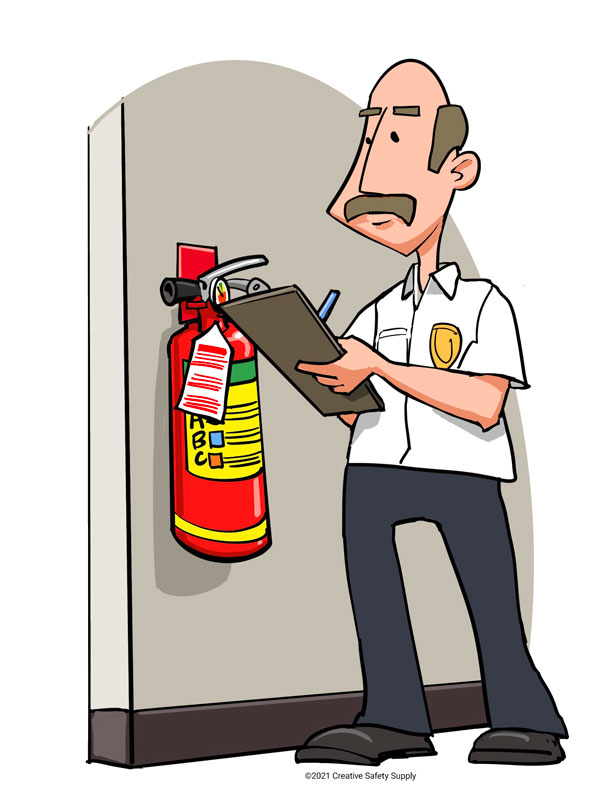
What makes inspections crucial is their ability to spot hidden issues before they become dangerous. It may not seem important however a minor issue with a fire hydrant or an alarm for smoke that’s blocked could be fatal in an emergency. Business owners who check regularly their fire hydrants are ensuring they meet their legal obligations and also taking precautions against unexpected disasters.
Electrical risks that are not obvious are addressed through testing and tag
Electrical systems are an important cause of fires in the workplace. Testing and tagging are consequently an essential element of an action plan for ensuring fire safety. The process includes checking electrical equipment for functionality, safety and compliance, after which placing a tag on the item to signify that the item has been examined. For a lot of businesses this is more than a standard procedure it’s a way to protect against potential risks that are often without being noticed.
If not checked the old wiring, faulty appliances, or deteriorated cables could become a fire risk. Regular testing and marking minimizes the likelihood of an electrical malfunction leading to an accident. This also creates confidence and trust among employees by reassuring them that their work environment is secure. In conjunction with fire inspections, testing and tagging is a comprehensive security plan to reduce risk across multiple areas.
The role of CFSP in the field of Compliance and Certification
In New South Wales only a Competent Fire Safety Practitioner (CFSP) can certify or sign important documents regarding fire safety, such as the Annual Declarations on Fire Safety. The CFSP accreditation ensures that only qualified professionals can review and verify fire safety measures. The use of a CFSP ensures that reports and inspections aren’t just paperwork but reliable evaluations by experts.
The role of a CFSP extends far beyond ticking boxes. These professionals provide detailed reports that verify compliance to the regulations. Companies that don’t have CFSP certification risk being penalized, facing legal problems or even being shut down should they be found as lacking in fire protection. By partnering with accredited professionals, you can ensure that fire safety systems are being maintained correct and that compliance requirements are met without unnecessary stress.
Fire Safety is a Constant Commitment
The safety of your fire system is an ongoing obligation for all business owners. The safety cycle continues with periodic inspections, testing electrical systems constantly, and getting certification under CFSP supervision. Beyond ensuring legal compliance and promoting the safety culture in the workplace. Employees can feel confident knowing that evacuation plans are in place Smoke detectors are operational and emergency lighting has been tested and the fire suppression system is in place for use.
In focusing on fire safety as an ongoing activity and not merely a checklist to check each year Businesses can cut down on risks and improve their standing. If a workplace is geared towards security, clients and customers will feel more comfortable. In the long term investing in fire protection that is proactive saves cash by avoiding costly damage and fines or legal battles, while also protecting the lives of every person that enters the building.
Conclusion
Safety in the event of fire in Sydney requires a multi-layered approach that includes fire inspections as well as testing and tagging, as well as the professional certification of an CFSP. Each component is vital to making sure that businesses comply with the regulations and, more important, that people and properties are protected. When safety is an integral part of operations rather than being a last-minute consideration, businesses do not just meet their legal obligations but make a more secure and robust environment for the future.