A pump station might seem like a straightforward utility structure from the outside, but in practice, no two projects are exactly the same. A pump station may be required to transport water from a development uphill, while another site could require water pressure to be maintained throughout commercial buildings that have changing elevations. Certain projects are industrial, some are municipal. Each one has distinct requirements for design, regulations and long-term plans.
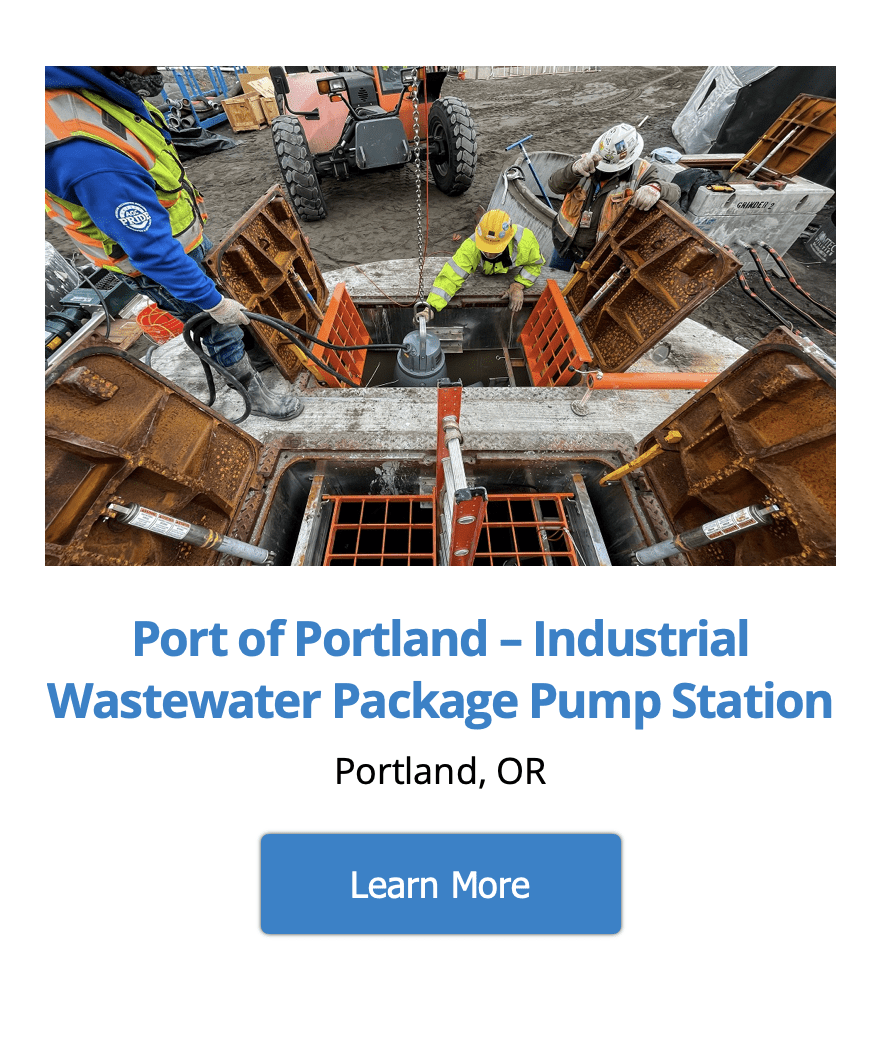
This is why it is that pumping systems can’t be made with a “one-size-fits all” concept. The station’s success is based on the real-world conditions of the site and its flow characteristics. It also takes into account the owner requirements and future needs of the property. Romtec Utilities works from that perspective, designing each package pumping system according to the needs of the project, rather than forcing the project to conform to an unspecific system.
Pumping is much more than moving water.
Pumping stations are built to pump wastewater and water in situations where gravity is not enough. But creating a system which does what it is supposed to do is not enough. It must also be effective as well as reliable, easy to use, and in line with the requirements of local and state authorities. It has to be able to perform not only in theory however, it must also function in real-time for the people who are accountable for its use.
This covers everything from structural designs and wet-well sizes, to electronic systems, communications equipment and access for maintenance teams. Even if one of these elements are not planned properly the system could create operational problems for many years. This is the reason why engineers and owners put an enormous value in working with the top lift station designers. Experience is crucial when trying to balance hydraulic performance, long-term durability budget, as well as constraints on the site at once.
Romtec Utilities combines these fields all under all under one roof. The company manages the structural, mechanical and electrical components of the station in a comprehensive system, so customers don’t need to coordinate multiple vendors. The single-source approach can often make it easier to manage time and confusion in the process of procuring as well as speed up the process of installation.
When designed properly Packaged pumping systems are less complex.
A package pumping system can simplify infrastructure projects due to the fact that it integrates the most important components into a unified solution. The true value lies in how well the package has been developed. Poorly matched systems can cause performance problems, excessive expense of equipment and even long-term maintenance issues.
Romtec Utilities treats each package as an engineered solution, not merely a catalog product. This includes choosing the right valves, pumps, and control systems for your particular site, as well as the enclosures, piping, and enclosures. It is also important to consider the way in which the system will function, be monitored and maintained. In the case of utilities, careful coordination in the initial design phase will often avoid larger problems in the future.
Booster pumps can solve a completely different type of infrastructure problem
Some projects aren’t about wastewater. In the majority of construction projects, keeping the water pressure is as vital as moving the sewage. In this case booster pump stations are critical. These systems are designed for water to flow efficiently through a system even when the pressure is low due to changes in elevation, long pipes, or the high demand.
The structure of booster systems are often different from other types of systems. They might require control structures, variable-frequency drives, SCADA integration and telemetry. Romtec Utilities creates these stations with a specific mindset that is employed to design wastewater systems. This ensures the end product will function both functionally and operationally.
Planning better leads to greater long-term results
One of the most valuable aspects of the Romtec Utilities process is the early design assistance it provides customers. Preliminary design and engineering assistance helps project teams understand the probable scope, configuration, and cost of a system before getting too far into procurement or construction. This could make a big difference for developers, consultants as well as public agencies that are trying to ensure that projects stay on schedule and within budget.
Planning is the key to success whether it’s an wastewater lift station, a pumping package system, or one of the many custom booster pumps. The right design partner can do more than supply equipment. A good design partner can help to design a sustainable solution that fits the site and supports the owner’s goals.
When it comes to utility work The most reliable methods are typically those the public never notices because they are simply working. This kind of reliability rarely happens by accident. It is the result of thoughtful engineering, strong coordination, and the ability to build every system according to the specific needs of the project.